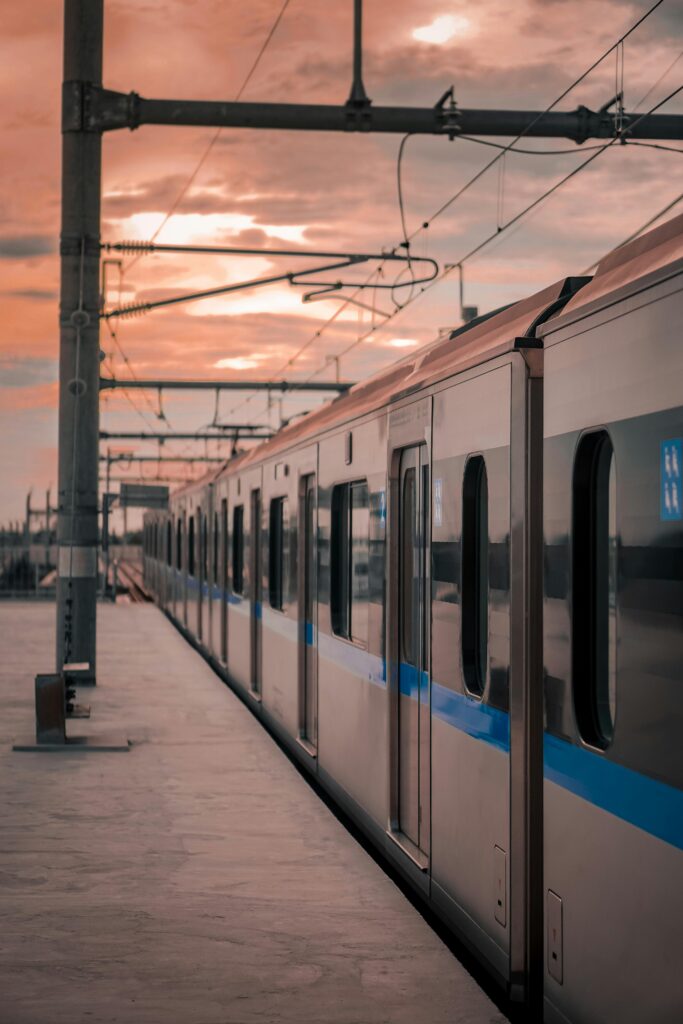
Train stations are bustling hubs of activity, with thousands of passengers, staff, and visitors passing through daily. Ensuring security in these environments is critical to protect people, prevent crime, and maintain smooth operations.
Key Aspects of Train Station Security:
Access Control and Screening
Implementing ticket checks, metal detectors, and baggage screening to prevent unauthorized entry and detect dangerous items.
Surveillance and Monitoring
Using CCTV cameras and security patrols to monitor platforms, entrances, waiting areas, and parking facilities for suspicious activity.
Crowd Management
Controlling queues, preventing overcrowding on platforms, and guiding passengers during peak hours or emergencies to avoid accidents or stampedes.
Emergency Response Preparedness:
Training security personnel to handle medical emergencies, fires, accidents, and potential terrorist threats efficiently.
Collaboration with Law Enforcement
Coordinating with local police, transit authorities, and emergency services to respond quickly to incidents and maintain overall safety.
Crime Prevention
Preventing pick pocketing, theft, vandalism, and other crimes through visible security presence and proactive patrolling.
Passenger Assistance and Communication
Providing guidance, directions, and safety announcements to keep travelers informed and calm, especially during disruptions or emergencies.
Yes, train stations prioritize the safety and security of passengers through various measures such as patrols, surveillance, and emergency response teams.
If you notice any suspicious behavior or items, report it immediately to station staff or security personnel. Remember, “If you see something, say something.”